

Halal and Haram: Islam's rules about what to eat (and what not to eat)
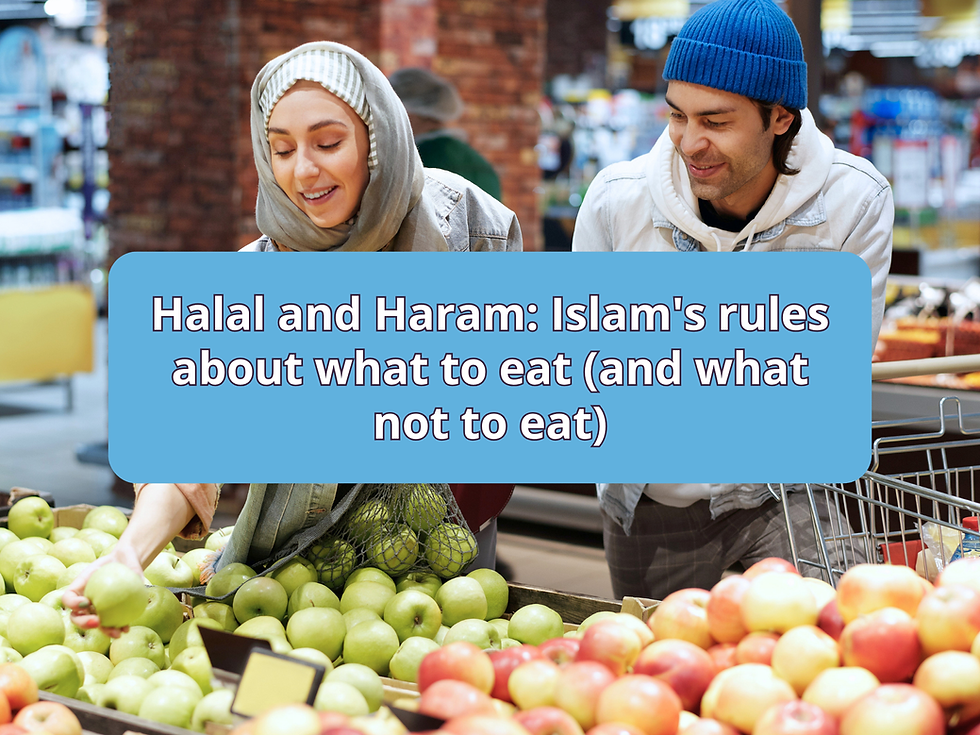
Halal and Haram: Islam's rules about what to eat (and what not to eat): On calloflove.org, Call of Love Ministries explains the principles governing Islamic dietary restrictions and their practical applications. The article outlines the distinction between halal (permissible) and haram (forbidden) foods, highlighting common dietary rules regarding pork derivatives, alcohol, and specific slaughter practices. It concludes by explaining how understanding these guidelines helps Christians extend thoughtful hospitality and build respectful relationships with Muslim neighbors. If you’ve read any of our blog posts that mention inviting your Muslim friends over, you’ve probably seen us suggest that you ask about your friend’s dietary preferences! That is because of the Islamic concepts halal and haram.
Halal and haram extend beyond the topic of diet in Islam, but most people focus on the diet aspect.
Halal vs. Haram: A Guide to Islamic Dietary Laws
What is Halal?
Halal is an Arabic word that translates to "permissible" or "lawful." In the context of food and drink, it refers to anything that is allowed for consumption under Islamic law as defined in the Quran.
What is Haram Food? (Prohibited Items)
Haram is the opposite of Halal, meaning "forbidden" or "prohibited." Consuming Haram substances is considered a sin in Islam. While it is well known that Muslims do not eat pork, there are many varieties and hidden sources to be aware of.
1. Pork and Hidden Pork Products
Many people are unaware that common processed foods can contain pork. Items to watch out for include:
Sausages and Hot Dogs
Meatballs
“Meat” Sauces
Pig-based products: This includes common additives like gelatin.
Some candies
2. Intoxicants
All intoxicants are prohibited, specifically alcohol.
3. Shellfish Restrictions
In some Muslim sects, certain types of seafood are also prohibited (Haram). This includes:
Shrimp
Lobster
Crab
Halal vs. Kosher: Are They The Same?
There is an ongoing debate regarding whether a Muslim can use Kosher standards in place of Halal standards. The answer often depends on the specific Islamic authority or school of thought being consulted.
Common Similarities: Both Halal and Kosher involve specific religious slaughtering rituals and a prohibition on pork.
Key Differences: Most Islamic authorities agree that Halal and Kosher are not interchangeable, because the specifics and processing requirements differ between the two faiths.
How Strict are Halal and Haram Rules?
Like most things, it varies from person to person. Some Muslims are very strict, only eating in their homes or Muslim restaurants. Other Muslims are more relaxed about their diet.
So when it comes to your Muslim friends, ask them if they follow a halal diet and what their preferences are for food. This will make them feel respected, and when you invite them over, they won’t worry about what you serve.
How to Talk with Muslims about Halal and Haram: Engaging in a conversation about dietary laws can be a great way to deepen a friendship. The first step is to find out what your Muslim friend believes. If they follow a strict diet, always do your best to respect it.
Questions to Open the Conversation
Depending on how your friend practices their faith, you can use these questions to start a meaningful dialogue:
For a conservative Muslim friend: "Why is eating Halal important to you?"
For a less conservative Muslim friend: "Why do you choose not to practice a Halal diet?"
Finding Common Ground: Living Counter-Culturally
Often, the standards God wants us to live by do not align with our culture’s standards. This is a struggle many Muslims understand well. You can share 1 Corinthians 10:23 with them.
"All things are lawful, but not all things are profitable. All things are lawful, but not all things edify."
Sharing this can show your friend that you also understand the challenge of living counter-culturally. However, it is important to mention that our ability to do this does not determine our standing with God.
The Christian Perspective on Dietary Freedom
You can explain the transition from the Old Testament to the New Testament to help your friend understand the Christian stance:
The Vision of Peter: God previously required a Kosher diet for the Jewish people, but after Christ’s life, He gave Peter a vision permitting the consumption of any animal (Acts 10).
Navigating Differences: Because some early Christians struggled with this change, Paul wrote in Romans 14:2-3: "One person has faith that he may eat all things, but he who is weak eats vegetables only. The one who eats is not to regard with contempt the one who does not eat, and the one who does not eat is not to judge the one who eats, for God has accepted him."
Conclusion: Respect Without Affirmation
You can explain to your Muslim friend that under Jesus, we are freed from arbitrary rules, and each person is free to choose the diet that is good for them. By respecting their practices, we show that we care about them as individuals without necessarily affirming their specific religious beliefs.
Prayer for Gospel Opportunities:
God, thank You for the spiritual freedom we have in Christ, where our righteousness comes from Him alone rather than what we eat. Open doors of friendship with our Muslim neighbors, and give us the right words to share the joy of the Gospel over every meal we share. Amen.


